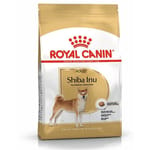
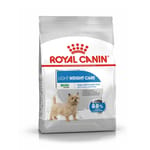
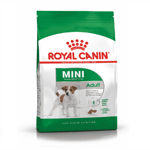
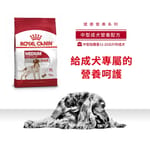
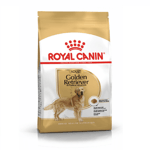
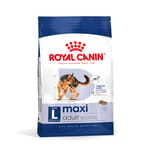
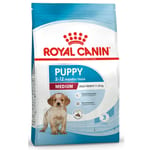
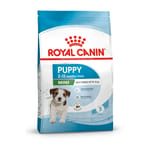
Royal Canin dog food offers a diverse range of products specifically formulated to meet the varying needs of different canines. These dog foods are developed based on factors such as breed, age, size, and specific physiological conditions. Whether for puppies, adult dogs, or senior dogs, Royal Canin provides corresponding nutritional solutions. The texture, kibble size, and nutritional composition of the dog food are considered in relation to canine digestive systems and oral structures. Products within this category aim to support dogs' daily activities and overall maintenance, with formulas containing essential nutrients like proteins, fats, carbohydrates, vitamins, and minerals. The selection of Royal Canin dog food is extensive, covering the dietary preferences and nutritional requirements of various dog breeds.
Royal Canin dog food refers to a range of canine nutritional products manufactured and distributed globally. These products are formulated to address specific dietary requirements across various canine life stages, sizes, and physiological conditions. The brand's offerings are characterized by their detailed nutritional profiles and specialized formulations.
This article aims to describe the structure and characteristics of Royal Canin dog food as a category of pet nutrition. It will focus on common classification methods, material composition, structural attributes, and verifiable product information, without providing purchase recommendations or comparative analyses of product advantages.
Royal Canin Dog Food Classification and Market Segmentation
The category of Royal Canin dog food is commonly segmented based on several key criteria, reflecting the diverse needs of canine populations. One primary method of classification involves life stage, distinguishing products for puppies, adult dogs, and senior dogs. Puppy formulations, for instance, are typically characterized by higher protein and fat content to support rapid growth and development, alongside specific mineral ratios for bone development. Adult dog foods are formulated for maintenance, providing balanced nutrition for sustained health. Senior dog foods often feature reduced calorie content and ingredients aimed at supporting joint health and cognitive function, acknowledging the physiological changes associated with aging.
Another significant classification criterion is breed size. Royal Canin dog food is often categorized into mini, small, medium, large, and giant breeds. This segmentation recognizes that dogs of different sizes have distinct metabolic rates, jaw structures, and predisposition to certain health conditions. For example, large and giant breed formulations may include nutrients like glucosamine and chondroitin to support skeletal health, while kibble size and shape are also adapted to suit the chewing mechanics of different jaw sizes. Small breed formulas might focus on high energy density due to faster metabolisms and smaller stomach capacities.
Furthermore, Royal Canin dog food includes a substantial segment dedicated to breed-specific nutrition. These specialized diets are formulated taking into account the unique characteristics of particular breeds, such as coat type, digestive sensitivities, predispositions to certain health issues, and activity levels. Examples include specific formulations for Poodles, German Shepherds, or Labrador Retrievers, where the nutrient balance, kibble shape, and ingredient selection are tailored to the breed's genetic and physiological makeup. This level of specialization aims to provide targeted nutritional support.
A distinct and important segment within Royal Canin dog food is veterinary therapeutic diets, often referred to as prescription diets. These formulations are designed to support the management of specific health conditions, such as gastrointestinal disorders, urinary tract issues, kidney disease, allergies, or obesity. They are typically available through veterinary channels and require a veterinarian's recommendation due to their specific therapeutic intent. These diets are characterized by precise nutrient adjustments, inclusion of specific functional ingredients, and often restricted or novel protein sources to address particular medical needs.
Finally, Royal Canin dog food may also be classified by specific health concerns or lifestyle factors not necessarily tied to a particular breed or medical condition, such as formulations for sensitive skin, digestive sensitivity, weight management, or high-energy activity. These diets provide targeted nutritional solutions for common canine issues or specific demands, offering a tailored approach to everyday feeding. The systematic classification across these parameters enables a comprehensive addressing of canine nutritional requirements.
Royal Canin Dog Food: Material Composition, Structural Forms, and Processing Techniques
The material composition of Royal Canin dog food is a complex interplay of macronutrients, micronutrients, and functional ingredients, all chosen and balanced to meet specific dietary profiles. Proteins are fundamental, sourced from ingredients such as poultry meal, pork meal, lamb meal, and various fish meals. These protein sources contribute essential amino acids necessary for muscle maintenance, tissue repair, and enzyme production. The crude protein content varies significantly across different formulations, with puppy and highly active dog diets typically featuring higher concentrations. Fat, another crucial macronutrient, is primarily derived from poultry fat, fish oil, and vegetable oils like sunflower or soybean oil. Fats provide concentrated energy, aid in the absorption of fat-soluble vitamins, and contribute to skin and coat health through essential fatty acids such as omega-3 and omega-6. The specific fatty acid profile is often adjusted based on the target animal's needs, such as for dogs with sensitive skin or those requiring cognitive support.
Carbohydrates in Royal Canin dog food are sourced from ingredients such as corn, wheat, rice, and barley. These provide readily available energy and dietary fiber. The type and amount of carbohydrate are carefully selected to ensure digestible energy and to support gastrointestinal health. Fiber, from sources like beet pulp, psyllium husk, and chicory pulp, plays a role in digestive regularity and can contribute to satiety, particularly in weight management diets. Vitamins and minerals are added to ensure complete and balanced nutrition, often in the form of fortified vitamin and mineral premixes. These micronutrients are vital for numerous physiological processes, including immune function, bone health, and metabolic reactions. The precise ratios of minerals like calcium and phosphorus are especially critical for growing puppies to prevent skeletal abnormalities.
Structural forms of Royal Canin dog food primarily consist of dry kibble. The kibble itself is engineered in various shapes, sizes, and densities. These physical attributes are not arbitrary; they are designed to suit the masticatory capabilities of different dog breeds and sizes, encourage proper chewing, and even help reduce tartar formation. For instance, small breed kibble is typically smaller and easier for tiny jaws to manage, while large breed kibble is larger and often denser to promote slower eating and better digestion. The texture and porosity of the kibble can also be adjusted through processing to influence palatability and dental health benefits. The uniform nature of kibble ensures consistent nutrient delivery in each bite.
The primary processing technique for Royal Canin dog food is extrusion. This process begins with grinding raw ingredients into a fine meal, which is then mixed with water and other additives to form a dough. This dough is then cooked under high pressure and temperature as it passes through an extruder. The high heat and pressure gelatinize starches, denature proteins, and kill harmful bacteria, thereby improving digestibility and shelf stability. As the dough exits the extruder die, the sudden pressure drop causes it to expand, forming the kibble shape. The kibble is then cut, dried to a specific moisture content, and often coated with palatants, fats, and vitamins to enhance flavor and nutritional value. The drying stage is critical for preventing microbial growth and extending shelf life. Quality control measures are applied throughout the extrusion process to ensure consistency in size, density, and nutrient content of the Royal Canin dog food.
In addition to dry kibble, some Royal Canin dog food products may be available in wet forms, such as canned food or pouches. These wet formulations typically have higher moisture content and often incorporate fresh meat ingredients. The processing for wet food usually involves mixing ingredients, filling them into cans or pouches, and then hermetically sealing and sterilizing them through a retort process (heat and pressure). This sterilization ensures product safety and extends shelf life. The choice between dry and wet forms of Royal Canin dog food is often driven by factors such as palatability preferences, specific hydration needs, or dietary requirements for certain health conditions.
Royal Canin Dog Food: Properties Across Usage Environments and Conditions
The properties of Royal Canin dog food are designed to exhibit specific performance characteristics across various usage environments and conditions, reflecting the diverse needs of canine companions. One significant aspect is how formulations adapt to different activity levels. For highly active or working dogs, such as those engaged in sports or demanding physical tasks, the energy density of Royal Canin dog food is typically elevated. These diets provide a higher caloric intake per serving, often through increased fat content, to support sustained energy expenditure and aid in muscle recovery. Conversely, for dogs with lower activity levels or those prone to weight gain, formulations are adjusted to be lower in calories, sometimes incorporating higher fiber content to promote satiety without excessive energy intake. This tailoring ensures that dogs receive appropriate energy balance for their lifestyle, preventing both undernourishment and obesity.
Another area of variation relates to environmental temperature. While less directly impactful on the food's intrinsic properties, the nutritional demands of dogs can change with ambient conditions. Dogs living in colder climates may require a slightly higher caloric intake to maintain body temperature, which Royal Canin dog food can address through specific energy-dense options. In contrast, dogs in warmer climates might benefit from formulations that support hydration, although this is more often managed through water intake. The storage conditions of Royal Canin dog food are also critical; consistent temperature and humidity are necessary to maintain nutrient integrity and prevent spoilage, regardless of the specific formula. Proper storage ensures the food retains its intended nutritional value until consumption.
Age and physiological state represent fundamental usage conditions that significantly alter the properties of Royal Canin dog food. Puppy diets, as mentioned, are characterized by increased protein, fat, and specific mineral ratios (e.g., calcium and phosphorus) to support rapid growth, bone development, and a developing immune system. These properties ensure that the foundational nutritional needs of young, rapidly developing animals are met. For adult dogs, the properties shift towards maintenance, providing balanced nutrition to sustain health and energy without promoting excessive growth. Senior dog formulations adjust to the aging process, often featuring reduced phosphorus to support kidney health, increased antioxidants for cellular protection, and specific nutrients like glucosamine and chondroitin to aid joint mobility. These modifications reflect the changing metabolic and physiological requirements as a dog ages, impacting the nutritional properties of the Royal Canin dog food.
Furthermore, specific health conditions dictate specialized properties in Royal Canin dog food. For dogs with digestive sensitivities, formulations may feature highly digestible proteins and carbohydrates, specific prebiotics to support gut flora, and controlled fiber levels. For dogs with urinary issues, the properties might include precise mineral levels to influence urine pH and reduce the risk of crystal formation. Allergic reactions are addressed through diets with hydrolyzed proteins or novel protein sources to minimize immunological responses. These therapeutic properties are meticulously engineered, altering the material composition and nutrient ratios to directly support the management or alleviation of specific medical conditions. The precise adjustments in nutrient profiles and ingredient selection define the therapeutic properties of these specialized Royal Canin dog food products, making them distinct from general maintenance diets.
The physical properties of Royal Canin dog food, particularly kibble size and shape, also vary based on usage context. These properties are critical for dental health and eating behavior. Smaller kibble is suitable for toy and small breeds with smaller mouths, while larger, sometimes denser, kibble encourages chewing rather than gulping in large breeds, which can aid digestion and reduce the risk of bloat. Certain kibble shapes are designed to have a brushing effect on teeth, contributing to dental hygiene. The varying physical characteristics of Royal Canin dog food are thus tailored to ensure comfortable consumption and contribute to overall oral health across different canine populations.
Royal Canin Dog Food Product Characteristics by Sales Ranking
The following describes characteristics of Royal Canin dog food products based on their sales ranking, focusing purely on their material, formula, and structural attributes.
Rank 1: Royal Canin Dog Food Health Nutrition Series Large Puppy Nutritional Formula Large Puppy Food AGR32 15kg — This formulation is specifically designed for large breed puppies. Its material composition includes a balanced protein content, typically derived from poultry, to support muscle growth. The formula provides a controlled energy intake to promote steady bone and joint development, mitigating rapid growth which can be detrimental to large breeds. It contains specific mineral levels, particularly calcium and phosphorus, adjusted to support skeletal formation in growing large dogs. The kibble structure is adapted for the larger jaws of puppies in this size category, facilitating chewing and promoting oral hygiene. The nutrient profile also includes antioxidants to support the developing immune system of young large dogs. This Royal Canin dog food is formulated for the growth phase.
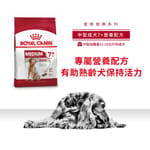
Rank 2: Royal Canin Dog Food Medium Adult Nutritional Formula M25 15kg — This product is formulated for adult dogs of medium breeds. Its material composition includes a moderate protein level, typically from animal sources, to maintain muscle mass in adult dogs. The fat content is balanced to provide energy for daily activity without contributing to excessive weight gain. The formula incorporates dietary fibers to support healthy digestion and promote regular bowel movements. Antioxidants are included to help neutralize free radicals and support cellular health. The kibble size and shape are designed to be appropriate for the jaw structure of medium-sized adult dogs, encouraging proper mastication. This Royal Canin dog food provides complete nutrition for the maintenance phase of medium-sized adult dogs.
Rank 3: Royal Canin Dog Food Health Nutrition Series Small Puppy Nutritional Formula Small Puppy Food APR33 2kg — This formulation targets small breed puppies. The material composition features a high protein content to support rapid growth characteristic of small breeds. It is energy-dense to meet the high metabolic rates of small puppies, utilizing fats from animal and vegetable sources. The formula includes highly digestible proteins and prebiotics to support the delicate digestive systems of small puppies. Specific mineral ratios are present to support bone and tooth development. The kibble structure is very small, designed for the tiny jaws and teeth of small breed puppies, making it easy to pick up and chew. This Royal Canin dog food also contains nutrients that assist in the development of the immune system.
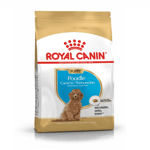
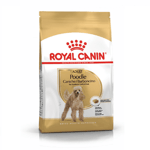
Rank 4: Royal Canin Dog Food Pure Breed Series Poodle Adult Specific Formula Poodle Food PD30 7.5kg — This Royal Canin dog food is a breed-specific diet formulated for adult Poodles. Its material composition includes specific protein sources and amino acids intended to support the continuous growth of the Poodle's characteristic curly coat, contributing to hair strength and luster. The formula also incorporates omega-3 fatty acids, particularly EPA and DHA, sourced from fish oil, to support skin health and coat quality. The nutrient profile is designed to maintain muscle tone. The kibble shape and texture are specifically engineered to be easily picked up by a Poodle's narrow muzzle and to encourage chewing, which can help reduce tartar formation. This Royal Canin dog food considers the specific anatomical and physiological traits of the Poodle breed.
Rank 5: Royal Canin Dog Food Large Adult Nutritional Formula GR26 15kg — This product is developed for large breed adult dogs. Its material composition provides a balanced protein content to maintain the significant muscle mass of large adult dogs. The formula includes a moderate fat content to supply energy while managing calorie intake to prevent obesity, a common concern in large breeds. Key ingredients such as glucosamine and chondroitin are often incorporated to support joint health, which is particularly important for larger dogs due to their body weight and predisposition to orthopedic issues. The fiber blend assists in promoting optimal digestive health. The kibble is large and designed for the robust jaws of large adult dogs, promoting slower eating and thorough chewing to aid digestion. This Royal Canin dog food addresses the specific needs of large adult dogs in their maintenance phase.
Royal Canin Dog Food: Quality Standards, Labeling Transparency, and Documentation Norms
The production and labeling of Royal Canin dog food adhere to verifiable quality standards and documentation norms established by regulatory bodies in the pet food industry. These standards ensure product safety, nutritional accuracy, and consumer transparency. In many regions, regulatory oversight is provided by governmental agencies, such as the Food and Drug Administration (FDA) in the United States, through its Center for Veterinary Medicine (CVM), and the European Pet Food Industry Federation (FEDIAF) in Europe. These bodies set guidelines for ingredient definitions, manufacturing practices, nutrient content, and labeling requirements for pet food products, including Royal Canin dog food.
Ingredient sourcing and quality control are fundamental aspects of these standards. Royal Canin dog food ingredients are typically sourced from approved suppliers who meet specific quality criteria. Incoming raw materials undergo rigorous testing to ensure they are free from contaminants and meet nutritional specifications. This includes checks for mycotoxins, heavy metals, pesticides, and microbial contamination. Throughout the manufacturing process, Good Manufacturing Practices (GMP) are observed, which encompass procedures for hygiene, equipment calibration, personnel training, and process control. These practices are designed to minimize risks of contamination and ensure consistency in the final Royal Canin dog food product.
Nutritional standards are a cornerstone of Royal Canin dog food formulation. Products are formulated to meet or exceed the nutrient profiles established by authoritative bodies. For example, in the United States, the Association of American Feed Control Officials (AAFCO) provides nutrient profiles for dog food, distinguishing between growth/reproduction and adult maintenance stages. Compliance with these profiles means that a product provides all essential nutrients in appropriate amounts. This adherence is typically indicated on the product label. The nutrient content of Royal Canin dog food is regularly analyzed to verify that it aligns with the declared values and established guidelines, ensuring nutritional completeness and balance for the intended life stage or specific condition.
Labeling transparency for Royal Canin dog food products is mandated by regulations to provide consumers with essential information. A typical label includes an ingredient list, presented in descending order by weight, providing clarity on the primary components of the food. Guaranteed analysis specifies the minimum percentages of crude protein and crude fat, and maximum percentages of crude fiber and moisture. Some labels may also provide guaranteed minimums for specific vitamins, minerals, or fatty acids. The caloric content (metabolizable energy) is usually stated per unit of weight, allowing for accurate feeding calculations. The intended use of the Royal Canin dog food, such as "for adult maintenance" or "for large breed puppies," is clearly indicated, guiding appropriate product selection.
Documentation norms extend beyond the physical product label. Manufacturers maintain extensive records of ingredient sourcing, production batches, quality control tests, and nutritional analyses. These records are crucial for traceability, allowing for identification of the origin of ingredients and the specific production run of any given batch of Royal Canin dog food. In the event of a product recall or quality concern, these detailed records facilitate rapid investigation and resolution. Certifications from independent bodies, such as ISO 9001 for quality management systems, may also be pursued, providing additional external validation of adherence to high operational standards. These comprehensive standards and documentation protocols collectively ensure the reliability and safety of Royal Canin dog food.
Royal Canin Dog Food: Verifiable Factual Insights
One verifiable factual insight related to Royal Canin dog food, and pet food in general, pertains to the concept of "fixed formulas" versus "open formulas." Royal Canin dog food typically utilizes a fixed formula approach. This means that the exact ingredients and their proportions remain consistent from batch to batch, aiming to provide a uniform nutritional profile over time. In contrast, an open formula allows for ingredient substitutions based on availability or cost, as long as the guaranteed analysis (protein, fat, fiber, moisture) remains within the declared range. The fixed formula methodology employed in Royal Canin dog food production is intended to ensure consistent digestibility and nutrient availability, which can be particularly beneficial for dogs with sensitivities or specific dietary needs, as it minimizes variations that could trigger adverse reactions. This approach requires stringent quality control over ingredient sourcing and supply chain management to maintain ingredient consistency.
Another verifiable factual insight concerning Royal Canin dog food involves the role of kibble density in satiety and dental health. Kibble density, which is the weight of a given volume of kibble, is a deliberately engineered physical property. For some Royal Canin dog food formulations, particularly those targeting weight management or large breeds, the kibble may be designed with a lower density. This allows for a larger volume of food per gram, which can contribute to a feeling of fullness in the dog without delivering excessive calories. Conversely, denser kibble, often found in formulations for smaller breeds or those requiring dental support, can encourage more thorough chewing. The mechanical action of chewing denser kibble can help to scrape away plaque from the teeth, contributing to oral hygiene. The specific density of Royal Canin dog food kibble is not an accidental outcome of the manufacturing process but a calculated feature designed to influence consumption behavior and contribute to specific health outcomes.
This article has provided a structured overview of Royal Canin dog food, detailing its classification, material composition, structural forms, and adaptation to various conditions. The information presented is based on verifiable characteristics and industry standards, aiming to enhance understanding of the category's framework.
......View All