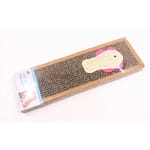
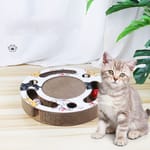
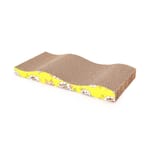
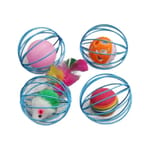
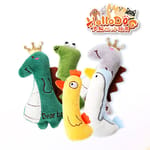
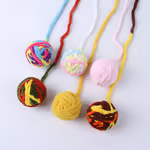
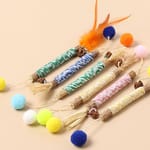
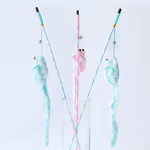
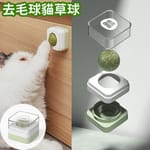
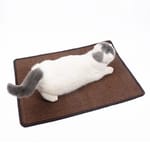
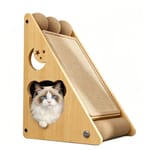
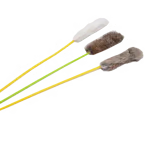
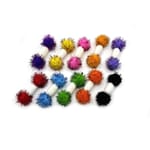
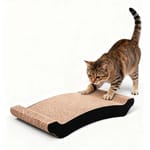
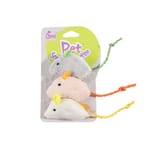
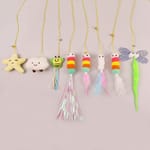
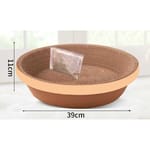
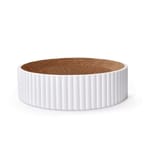
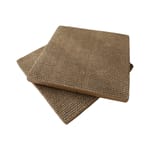
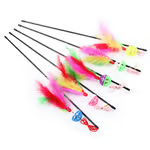
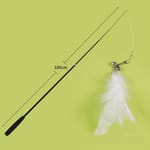
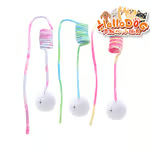
Discover our premium cat toys, vital cat supplies designed to engage your feline's natural instincts. These interactive cat toys promote exercise and mental stimulation, offering diverse options from chase and pounce to puzzle-solving, ensuring endless entertainment for your beloved pet.
Cat toys are manufactured articles designed for feline engagement, characterized by a range of forms, materials, and operational mechanisms intended to elicit specific behavioral responses in domestic cats.
This article aims to describe the structural attributes, material composition, and usage contexts within the category of cat toys. The objective is to present objective, verifiable information regarding their classification and characteristics, without offering product recommendations or comparative advantages.
Cat Toys: Classification by Engagement Mechanism
Cat toys are commonly divided in practical use and supply contexts based on their primary engagement mechanism. One significant classification distinguishes between active and passive interaction devices. Active cat toys typically require direct manipulation by the cat, such as batting, chasing, or pouncing. Examples include objects designed for batting, such as small balls, or items that can be dragged and caught. Passive interaction devices, conversely, often provide a stimulus without requiring continuous direct physical effort from the cat, though they may still elicit a response. This includes items like scratching posts, which offer a surface for claw maintenance, or certain types of puzzle feeders that dispense treats upon specific actions. Another common division is based on the replication of prey behaviors. Some cat toys are designed to mimic the movement of small animals, such as birds or rodents, through features like erratic motion or auditory components. Others focus on tactile stimulation, providing surfaces for rubbing or textures for biting. The classification also extends to the degree of human involvement required for operation. Interactive cat toys often necessitate human participation, such as wand toys or laser pointers, fostering a joint play experience. Conversely, autonomous cat toys are designed to be used by the cat independently, such as self-righting toys or those with internal mechanisms that create movement. The material composition often correlates with the intended engagement mechanism, influencing durability and the type of sensory feedback provided. For instance, soft, plush materials are frequently used for toys intended for carrying or comforting, while rigid plastics or metals are employed in devices requiring specific mechanical functions. Some cat toys are designed for solo play, while others facilitate multi-cat interaction, often through shared objects or larger play structures. The distinction between these categories is not always rigid, as many products incorporate elements from multiple classifications to offer varied engagement opportunities.
Cat Toys: Material Composition and Structural Forms
The material composition and structural forms of cat toys exhibit considerable diversity, directly impacting their function and durability. Common materials include various plastics, such as ABS, polypropylene, and polyethylene, selected for their rigidity, moldability, and resistance to chewing. These plastics are frequently employed in the construction of balls, interactive feeders, and the housings of electric cat toys. Textiles represent another major material group, encompassing natural fibers like cotton, wool, and sisal, as well as synthetic fabrics such as polyester and nylon. Cotton and wool are often used in plush toys or for soft batting objects, providing a different tactile experience. Sisal, derived from the agave plant, is highly valued for its abrasive texture, making it a primary material for scratching surfaces, including posts and mats. Wood, typically untreated or processed for safety, is used in certain puzzle toys or as components in larger play structures, offering a hard, natural chewing surface. Feathers, often sourced from poultry or other birds, are incorporated into wand toys or as attachments to mimic flying bird cat toys, providing visual and textural stimulation. Metal components, usually stainless steel or other non-toxic alloys, are less common as primary toy materials but appear in mechanisms, such as springs or internal weights, or as small bells for auditory stimulation. Catnip, a perennial herb, is frequently integrated into cat toys, either as a dried herb inside fabric pouches or infused into materials, due to its known effect on many felines. The structural forms vary from simple geometric shapes, like spheres or cylinders, to complex multi-component assemblies. Spheres are common for batting and rolling. Cylindrical forms are often seen in scratchers or tunnels. Multi-component structures can include items like wand toys, which combine a rod, a string, and an attached object, or elaborate cat trees that integrate scratching surfaces, platforms, and enclosed spaces. Corrugated cardboard is a prevalent material for cat scratchers and temporary play structures, offering a disposable yet appealing surface for clawing. The manufacturing process for cat toys involves various techniques. Plastic components are typically injection-molded or blow-molded. Textile items are cut, sewn, and filled. Wooden elements are carved or turned. Assembly processes range from simple gluing and stitching to more complex mechanical fastenings for multi-part structures. The choice of material and structural design is dictated by the intended feline interaction, considering factors such as chewing resistance, clawing texture, and overall safety.
Cat Toys: Properties Across Usage Environments
The properties of cat toys can vary significantly across different usage environments or conditions, primarily influenced by factors such as ambient humidity, temperature, and direct exposure to elements like sunlight or moisture. For instance, cat toys made from natural fibers such as cotton or sisal, when exposed to high humidity, may absorb moisture, leading to changes in their tactile properties or, in prolonged cases, facilitating microbial growth. Conversely, in very dry environments, some natural materials might become brittle. Plastic cat toys generally exhibit greater resilience to variations in humidity and temperature, maintaining their structural integrity and surface characteristics more consistently. However, prolonged exposure to direct sunlight can cause certain plastics to degrade, leading to discoloration, embrittlement, or a reduction in flexibility. This phenomenon is particularly relevant for cat toys intended for outdoor use or those placed near windows where they receive significant solar radiation. Electric cat toys, which incorporate electronic components and batteries, are especially sensitive to environmental conditions. High humidity can lead to corrosion of internal circuitry, while extreme temperatures can affect battery performance and longevity. These devices are typically designed for indoor use, where environmental conditions are more controlled. The durability of cat toys, irrespective of material, is also influenced by the intensity and frequency of feline interaction, which constitutes a usage condition. Toys subjected to vigorous chewing or clawing will exhibit wear more rapidly than those used for gentler play. The presence of abrasive surfaces, such as certain types of flooring, can accelerate the wear of cat toys through friction. Furthermore, the cleanliness of the environment impacts the hygiene of cat toys. Toys used in environments with dust or debris will accumulate these substances, potentially requiring more frequent cleaning. The effectiveness of catnip-infused cat toys can also be affected by environmental conditions; high humidity can reduce the potency or shelf life of the catnip, while exposure to air can cause its volatile compounds to dissipate more quickly. Therefore, the selection and maintenance of cat toys should account for the specific environmental conditions in which they will be utilized to ensure their intended properties are preserved.
Cat Toys: Characteristics from Product Sales Ranking
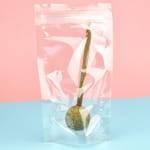
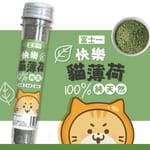
Rank 1: Fujiichi 100% Natural Happy Catnip 1 piece — This product consists of dried catnip, a perennial herb, typically presented in a sealed package to maintain freshness. The primary characteristic is its botanical origin and the presence of nepetalactone, the active compound in catnip that elicits behavioral responses in susceptible felines. Its form is that of loose, dried plant material, intended for direct application to other cat toys or surfaces, or for inclusion in refillable items. The product is characterized by its singular ingredient: 100% natural catnip, without additives or fillers.
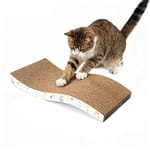
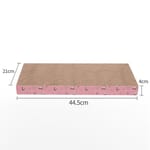
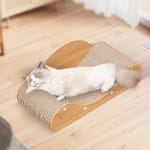
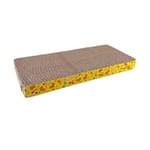
Rank 2: Cat Sofa Corrugated Cardboard Cat Scratcher Lazy Cat Chaise Lounge 1 piece — This item is constructed primarily from corrugated cardboard, a material composed of fluted paperboard and one or two flat linerboards. The structural form is designed to resemble a small chaise lounge or sofa, providing a contoured surface for a cat to rest on and scratch. The corrugated layers offer multiple surfaces for claw abrasion. The product's characteristics are defined by its material composition, which is biodegradable, and its specific ergonomic design intended for both scratching and reclining. It is a single, integrated unit.
Rank 3: Corrugated Cardboard Cat Scratcher Toy Selection Time Compass Cat Bed White L size (YC01-01-8248-02) — This product is also made from corrugated cardboard, specifically shaped into a circular or compass-like form to function as both a cat bed and a scratching surface. The material provides a textured surface for claw maintenance. The "L size" designation indicates a specific dimension, ensuring suitability for larger felines. Its characteristics include the use of layered, compressed corrugated cardboard, forming a stable and resilient structure. The white color refers to the external finish or natural hue of the cardboard. The product code YC01-01-8248-02 serves as an identifier for manufacturing and inventory purposes.
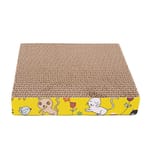
Rank 4: Corrugated Cardboard Selected Double-Layer Cat House Cat Scratcher — This product integrates a cat house structure with a scratching element, both constructed from corrugated cardboard. The "double-layer" characteristic suggests enhanced structural stability or a specific design feature involving two distinct cardboard layers for increased durability or a more robust scratching surface. The cat house component provides an enclosed space, while the external surfaces or internal elements offer areas for clawing. The material is typically assembled through interlocking tabs or adhesive, forming a cohesive structure. Its characteristics are defined by the dual functionality of shelter and scratching, and the use of multi-layered corrugated cardboard for structural integrity.
Rank 5: Billipets Extra Thick Sisal Post 40cm x 45cm (NS-12209L) — This item is a scratching post, primarily featuring sisal as the abrasive material. Sisal, a natural fiber, is tightly wound around a core structure, typically made of wood or PVC pipe, to create a durable scratching surface. The "extra thick" designation indicates a higher density of sisal wrapping or a larger diameter of the post, contributing to increased longevity and resistance to wear. The dimensions, 40cm x 45cm, specify the height and base dimensions, respectively, indicating a stable and substantial structure suitable for active scratching. The product code NS-12209L serves as a unique identifier. This cat toy is characterized by its robust construction and the use of sisal for effective claw conditioning.
Cat Toys: Quality Standards and Labeling Norms
Quality standards and labeling transparency for cat toys vary significantly across jurisdictions and product types, though several common norms apply. In many regions, general product safety regulations dictate that cat toys must be free from toxic materials, sharp edges, or small parts that could pose a choking hazard if detached. For materials used in cat toys, standards often reference existing regulations for children's toys or pet products, which may include limits on heavy metals, phthalates, and other hazardous chemicals. For instance, some standards specify acceptable concentrations of lead or cadmium in materials that may be ingested or handled by pets. Labeling norms typically require manufacturers to provide clear identification of the product, including the brand name, model number, and country of origin. Material composition is often disclosed, especially for products made from natural fibers or specific plastics, allowing consumers to identify the primary components of cat toys. Instructions for use and any necessary warnings are also standard, particularly for electric cat toys or those with complex assembly requirements. For items containing catnip, labels frequently indicate that it is a natural product and may specify its geographic origin or purity. Standardization bodies or associations in some countries develop voluntary guidelines or certifications that manufacturers can adhere to, indicating compliance with specific safety or manufacturing practices. These certifications often involve third-party testing to verify material safety and structural integrity. For example, some labels may indicate that a product has undergone tests for durability or has been manufactured using sustainable practices. While comprehensive, globally uniform standards specific to cat toys are not universally mandated, adherence to broader consumer product safety regulations and industry best practices forms the foundation of quality assurance. The presence of lot numbers or batch codes on packaging allows for traceability in the event of a product recall or quality concern. The absence of specific warnings or ingredient lists can indicate a lack of adherence to these labeling norms, which are intended to provide consumers with verifiable information about the cat toys they purchase.
Cat Toys: Verifiable Factual Insights
A verifiable factual insight regarding cat toys relates to the specific chemical compound responsible for the behavioral effects of catnip. The compound is nepetalactone, a terpenoid found in the plant Nepeta cataria. Approximately 70-80% of domestic cats exhibit a behavioral response to nepetalactone, which is believed to interact with olfactory receptors and stimulate areas of the brain associated with pleasure and hunting instincts. This response is genetically inherited, meaning not all cats will react to catnip. Another verifiable factual insight concerns the structural properties of corrugated cardboard used in cat toys. Corrugated cardboard's strength and rigidity are primarily derived from its fluted layer, which acts as a series of arches, distributing force evenly. This structure provides a high strength-to-weight ratio, making it suitable for creating durable yet lightweight scratching surfaces and enclosed structures. The number of flutes per unit length and the thickness of the linerboards contribute to the overall abrasive quality and structural integrity of the corrugated cardboard cat toys. This material is also valued for its renewability and recyclability, aligning with specific environmental considerations in product design.
The preceding information describes the various classifications, material compositions, structural attributes, and usage considerations pertinent to the category of cat toys. The objective has been to provide a factual overview of these articles without making any recommendations or offering advice on selection.
......View All