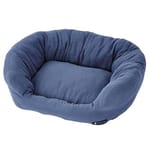
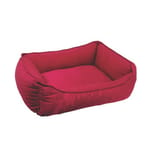
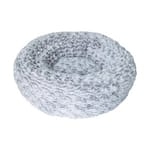
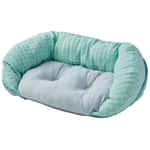
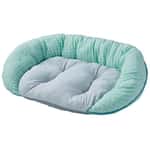
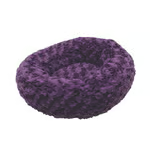
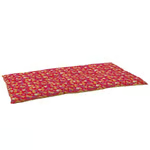
Pet beds and dog mattresses provide dedicated resting and sleeping spaces for pets. These mattresses are designed with considerations for the pet's size, age, and activity habits, offering a diverse selection of materials including memory foam, latex, sponge, and other composite fabrics. Their forms encompass flat mats, bolster beds, and elevated beds, aiming to meet the lying preferences of various dog breeds and cats. Some pet beds feature removable and washable or waterproof designs, facilitating cleaning and maintenance for pet owners. For specific needs, such as orthopedic dog beds, designs may focus on joint support and comfort. Product sizes range from small to large breeds, allowing selection based on home environment and pet physique, providing a stable and comfortable resting place.
A dog bed, a designated resting surface for canines, serves to provide a specific area for an animal's repose, distinct from human furniture or floor coverings.
This article aims to describe the structural attributes, material compositions, and usage contexts within the dog bed category. The information presented focuses on verifiable, objective characteristics without offering product recommendations or comparisons of advantages.
Dog Bed Classification by Structural Form
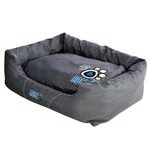
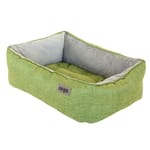
The classification of dog beds commonly distinguishes between several primary structural forms, each designed with specific characteristics for supporting canine rest. One prevalent form is the cushion-style dog bed, characterized by its soft, often un-framed construction. These beds typically consist of a textile casing filled with various materials, allowing for adaptability to the dog's body shape. Their structure is generally defined by the outer fabric and the internal filling material, with minimal rigid components. Another common classification is the orthopedic dog bed, which incorporates materials and designs specifically engineered to provide enhanced support, particularly for joint health. These often feature dense foam layers or memory foam, structured to distribute body weight evenly and prevent pressure points. The internal architecture of an orthopedic dog bed prioritizes firmness and resilience over simple plushness, maintaining its shape under sustained load. Elevated dog beds represent a distinct structural category, characterized by a raised frame that suspends a sleeping surface off the ground. These frames are typically constructed from metal, plastic, or wood, supporting a fabric or mesh material. The elevation provides airflow beneath the dog, a design consideration for temperature regulation. Furthermore, nesting or bolster dog beds feature raised edges or bolsters around the perimeter, creating a sense of enclosure and support for the dog's head and neck. These bolsters are typically filled with fibrous materials or foam, maintaining their shape while offering a soft boundary. The structural integrity of these beds relies on both the foundational cushion and the reinforced perimeter. Crate pads, while a sub-category, are essentially flat dog beds designed to fit precisely within the dimensions of an animal crate, offering a padded surface without bolsters or elevated frames. Their structure is straightforward, focusing on cushioning within a confined space. Each structural form of dog bed is defined by its physical architecture and the specific components used in its assembly, leading to distinct functional profiles.
Dog Bed Material Composition and Manufacturing
The material composition and manufacturing processes for a dog bed exhibit significant variation, directly influencing its attributes. The outer covering, or shell, of a dog bed is frequently constructed from durable textiles such as canvas, polyester, nylon, or blends thereof. Canvas, a heavy-duty plain-woven fabric, offers resistance to abrasion and tearing due to its tight weave structure. Polyester and nylon, synthetic polymers, are chosen for their strength, resistance to moisture, and ease of cleaning, often incorporating treatments for water repellency or stain resistance. Some dog beds utilize microfibers, which are finely woven synthetic fibers providing a soft texture while maintaining durability. For internal filling, a range of materials is employed. Shredded foam, often polyurethane foam, provides bulk and cushioning, with its density and particle size influencing the bed's firmness. Polyester fiberfill, a synthetic staple fiber, is another common choice, offering loft and softness. Memory foam, a viscoelastic polyurethane foam, is manufactured to conform to body contours in response to heat and pressure, slowly returning to its original shape. This material is often layered in orthopedic dog beds. Gel-infused memory foam incorporates cooling gel beads during the manufacturing process, aiming to dissipate heat. Cedar shavings, a natural material, are sometimes used for their aromatic properties and resistance to insects, though their primary function is filling. Elevated dog beds often feature a sleeping surface made from breathable mesh fabrics, such as PVC-coated polyester, stretched taut over a frame. The frames themselves are typically manufactured from powder-coated steel tubing, aluminum, or rigid plastics like polypropylene, assembled through welding, bolting, or interlocking mechanisms. Waterproof liners, often made from polyurethane laminate (PUL) or vinyl, may be incorporated between the outer cover and the filling to protect against moisture penetration. The manufacturing process of a dog bed involves cutting and sewing fabric pieces, filling them with the chosen material, and often incorporating zippers for cover removal. For foam-based beds, foam blocks are cut to specific dimensions and sometimes laminated into multi-layer structures. The selection and combination of these materials and the specific manufacturing techniques dictate the finished product's characteristics and intended application within the dog bed category.
Dog Bed Properties Across Usage Environments
The properties of a dog bed can vary considerably across different usage environments, influencing its performance and longevity. For indoor environments, where exposure to elements like rain, direct sunlight, or extreme temperatures is minimal, dog beds often prioritize features such as softness, aesthetic integration with home decor, and ease of cleaning for household spills. Materials like plush fabrics, faux fur, and less weather-resistant foams are commonly employed. The structural integrity in these settings primarily needs to withstand normal canine activity, such as scratching or nesting, without requiring high levels of weatherproofing or UV resistance. Conversely, dog beds designed for outdoor use must exhibit properties that withstand environmental stressors. This includes enhanced water resistance or full waterproofing in the outer fabric and internal liners to prevent moisture absorption and subsequent mold or mildew growth. UV resistance is a critical property for outdoor dog beds, preventing material degradation, fading, and brittleness when exposed to prolonged sunlight. Durability against abrasion from rough surfaces like concrete or gravel is also a key consideration, leading to the use of heavy-duty, tightly woven synthetic fabrics. Elevated dog beds are frequently preferred for outdoor settings due to their ability to keep the dog off hot or wet ground, promoting air circulation and preventing heat buildup or dampness. Materials for outdoor dog beds often include marine-grade fabrics, ripstop nylon, or PVC-coated polyester for the sleeping surface, and rust-resistant metals or weather-resistant plastics for frames. For travel or transient use, a dog bed may prioritize portability, lightweight construction, and ease of folding or rolling. These beds often feature thinner foam or fiberfill, sometimes with integrated carrying handles or compression straps. The materials chosen for travel dog beds balance durability with reduced bulk and weight. Specialized usage environments, such as veterinary clinics or post-surgical recovery, may necessitate dog beds with specific antimicrobial properties, fluid-impermeable surfaces for hygiene, and highly supportive, firm structures to aid in recovery. The structural elements and material choices of a dog bed are thus directly informed by the intended environmental context of its application.
Dog Bed Product Information from Sales Ranking
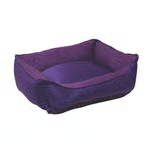
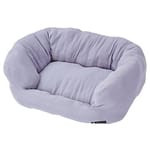
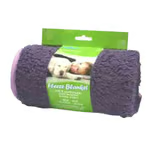
Rank 1: Hagen Dogit Series Rectangular Purple Dog Bed (D5206) — This dog bed features a rectangular form factor. The external material is a textile, and the internal composition is a soft filling material. The color is specified as purple, indicating a dye application to the fabric. The edges are structured to provide a defined perimeter for the sleeping area.
Rank 2: DOGGYMAN - Dog Milk Carton Shaped Non-Slip Bottom Bed (93877) — This dog bed is characterized by a novel external shape resembling a milk carton. It incorporates a non-slip material on its base, typically a textured fabric or rubberized coating, designed to increase friction with floor surfaces. The primary material is a textile, encompassing a soft internal filling, providing a stable resting area.
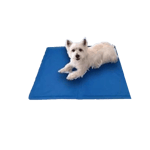
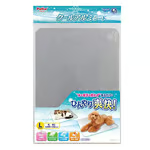
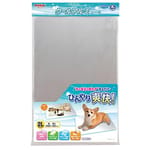
Rank 3: Billipets Pet Cooling Mat Large 50cm x 65cm (NS-12207L) — This item is a cooling mat, not a traditional dog bed with voluminous filling. Its material composition typically includes an outer layer of durable fabric, often polyester, encasing a gel-based or phase-change material. This internal material absorbs and dissipates heat. The dimensions are specified as 50 cm by 65 cm, indicating a flat, rectangular form factor designed for surface cooling rather than deep cushioning. The cooling mat provides a distinct type of dog bed experience.
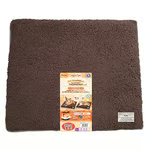
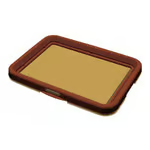
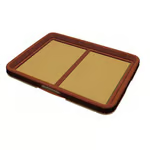
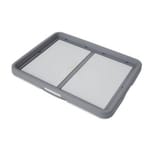
Rank 4: Petio Toilet Plate Brown (for Dogs) (91601829) — This product is a toilet plate, not a dog bed. It is designed for canine waste management. Its material composition is typically rigid plastic, formed into a flat base with a raised edge or grid. The color is brown. This item serves a sanitary function, distinct from providing a resting surface like a dog bed.
Rank 5: Petio Wide Toilet Plate Brown (for Dogs) (91601830) — Similar to the previous item, this is a toilet plate, not a dog bed. It is constructed from rigid plastic, characterized by a wider dimension than the standard version. Its structure includes a flat base and a grid or raised edge design for waste collection. The color is brown. Its purpose is sanitation, not canine rest, differentiating it from a dog bed.
Dog Bed Quality Standards and Labeling Norms
The quality standards and labeling norms for a dog bed are primarily governed by general consumer product safety regulations, as there are no universally standardized, pet-specific regulatory bodies mandating specific material compositions or performance metrics across all regions. However, certain voluntary certifications and labeling practices are common. Manufacturers often adhere to internal quality control protocols, which may include testing for material durability, seam strength, and colorfastness. For the textile components of a dog bed, standards such as those from the American Society for Testing and Materials (ASTM) or the International Organization for Standardization (ISO) for fabric tensile strength, tear resistance, and abrasion resistance may be referenced. These standards quantify the physical properties of the materials. Flammability standards, particularly in regions with strict fire safety regulations for upholstered furniture, may influence the selection of materials or the application of flame-retardant treatments to a dog bed. However, the use of chemical flame retardants can also trigger separate labeling requirements regarding chemical content. Labeling on a dog bed typically includes information regarding material composition, often listing the percentage of different fibers in the outer cover and the type of filling material (e.g., "100% Polyester," "Polyurethane Foam"). Care instructions, such as washing machine compatibility, water temperature recommendations, and drying methods, are routinely provided to ensure product longevity and hygiene. Country of origin labeling is a common requirement in international trade. Some manufacturers may voluntarily pursue certifications for their materials, such as OEKO-TEX Standard 100, which certifies that textiles have been tested for harmful substances. For orthopedic dog beds, claims of therapeutic benefits are generally not subject to medical device regulations but are expected to be supported by the physical properties of the materials, such as foam density (measured in pounds per cubic foot) and indentation force deflection (IFD) ratings. The absence of specific, universally mandated "dog bed standards" means that consumers often rely on manufacturer claims, material specifications on labels, and general product safety information to assess quality and suitability.
Dog Bed Verifiable Factual Insights
One verifiable factual insight regarding a dog bed relates to the thermal conductivity of specific filling materials. For example, open-cell polyurethane foam, a common component in many dog beds, exhibits a higher thermal conductivity than closed-cell foam or polyester fiberfill. This property means that open-cell foam can absorb and transfer heat more readily, potentially influencing the surface temperature of the dog bed after prolonged contact with a dog's body. The structure of open cells allows for greater air circulation within the material, which can affect temperature regulation. In contrast, materials like gel-infused memory foam are engineered with embedded cooling particles or layers designed to absorb and dissipate heat more effectively, thus moderating the surface temperature of the dog bed. The inclusion of these materials is a specific manufacturing decision based on their measurable thermal properties.
Another factual insight concerns the typical density ranges of memory foam utilized in orthopedic dog bed constructions. Memory foam density is quantified in pounds per cubic foot (PCF). Orthopedic dog beds frequently incorporate memory foam layers with densities ranging from 3 to 5 PCF. Foams with densities below 3 PCF are generally considered less durable and may not provide adequate support for sustained use, while foams exceeding 5 PCF can be significantly firmer and heavier, potentially affecting the bed's overall feel and cost. The specified density directly correlates with the material's ability to resist compression and maintain structural integrity over time, a measurable characteristic that contributes to the support provided by a dog bed. This metric allows for an objective assessment of a key material attribute in higher-end dog beds.
The preceding text has provided an overview of dog bed characteristics, including structural forms, material compositions, and variations across usage environments. The discussion has also covered specific product information based on sales ranking and addressed quality standards and factual insights related to the dog bed category.
......View All